
Keno Tips for Beginners: A Decision Guide for Australian Players
Keno Tips for Beginners: Making Smarter Choices at the Tables
Starting with keno tips for beginners is less about chasing jackpots and more about understanding how the game actually pays out. In Australia, you will find keno offered in pubs, clubs, and some online venues, so the first real decision is where you play and what limits you set before you spend a dollar. The pace is slower than pokies, but the randomness is just as sharp, which means a calm approach beats a rushed one every time. If you are weighing up a venue or a platform, you should check whether the cashier supports your preferred method and whether the verification process is clearly explained upfront. Our own breakdown at https://elvisfrogtruewaysau.com walks through how payment flows and licence details should look before you sign up, which is the kind of groundwork I would want before trusting any cashier with my first deposit.
When I write about markets and trading flows, I look for clear rules, visible limits, and a paper trail before I commit capital, and that same judgement applies to keno. A venue or site that hides its withdrawal steps or vague verification requirements is a warning sign, not a feature. Sophie White, Head of Live Casino, Coral Coast Interactive, puts it plainly: “Players who ask about withdrawal timing and identity checks before they deposit usually avoid the frustrating delays later, so the question belongs in your first five minutes, not after a loss.” That mindset matters because keno is a fixed-odds game, not a skill contest, so your edge comes from discipline, not prediction.
How to Read the Ticket Before You Mark It
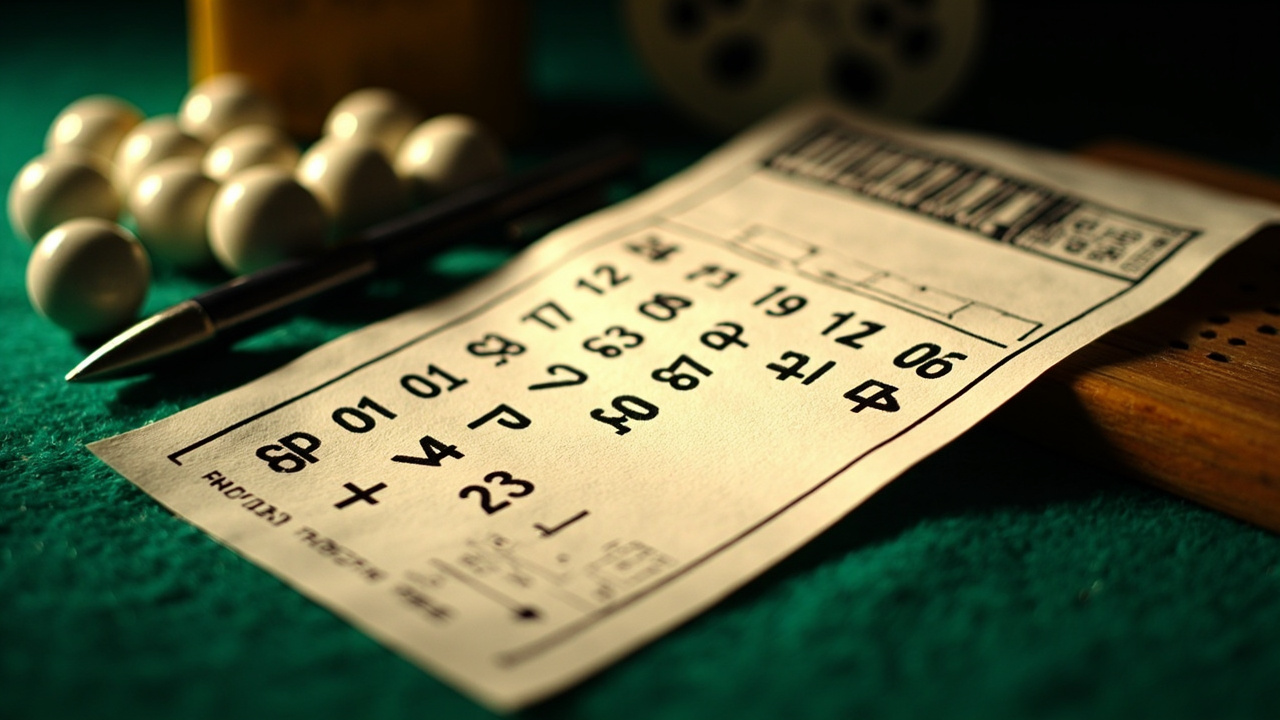
The first section of any sensible keno tips for beginners conversation should cover the ticket itself, because the numbers you pick and the way you mark them change your odds more than any superstition. A standard ticket lets you pick anywhere from one to ten spots, and the pay table shows what you win if enough of your numbers land. The catch is that the more spots you mark, the harder it is to hit a paying combination, so beginners often do better starting with four or five spots and learning the pay scale before stretching out. In a Canberra club on a wet arvo, you might see a regular mark eight numbers and chase the top prize, but that same ticket can burn through a budget fast if the hits do not come.
A practical example helps here: imagine you set aside fifty dollars for a session and you pick five spots at two dollars a game. If you hit three of your five numbers, the pay table might return a small win that keeps you in the game, whereas marking ten spots for the same two-dollar rate means you need a much bigger hit just to break even. The table below shows how spot count and hit requirement shift the difficulty, which is the kind of detail worth checking before you hand over your ticket.
| Spots marked | Typical hit needed for a small return | Relative difficulty |
|---|---|---|
| 3 | 2 of 3 | Easier |
| 5 | 3 of 5 | Moderate |
| 7 | 4 of 7 | Harder |
| 10 | 5 of 10 | Hardest |
The lesson is not that one pattern wins more often, but that you can match the ticket to the budget and the pace you want. If you prefer a slower session with smaller, more frequent returns, a lower spot count usually fits better. If you are comfortable with longer dry spells in exchange for a bigger top prize, a higher spot count is the trade-off. Either way, read the pay table on your ticket or screen before you commit, because the same two-dollar rate can pay very differently depending on how many spots you mark.
Choosing Where to Play and How the Cashier Works
The second big decision in keno tips for beginners is where you play, because the venue or platform shapes your payment options, your verification steps, and how quickly you can move money in and out. In Australia, keno is available in licenced clubs and pubs, and some online operators offer it alongside other games, but the rules around who can play and where vary by state and by operator. You should treat the cashier as a separate decision from the game itself, because a smooth ticket purchase means little if the withdrawal path is unclear. Look for a platform that states its accepted methods, its processing times, and its verification requirements in plain language, not buried in a FAQ.
A short list of things to check before you deposit:
- Whether the cashier supports Australian dollars and the method you actually use, such as a card or a trusted local payment option
- How long verification usually takes and what documents are asked for
- Whether there are daily or weekly limits that could affect a planned session
- How withdrawals are processed and whether the same method is used for both sides
I have covered payment flows in trading and crypto content long enough to know that a clean cashier is a strong signal, while vague wording around limits or processing is a reason to slow down. A platform that asks for identity checks up front is not being difficult; it is usually trying to avoid delays later, which is exactly what Sophie White flagged about asking the right questions early. If you are comparing two options, weigh the one with clearer steps higher, even if the other looks flashier on the surface. The game is the same randomness either way, so the real difference is how easily you can manage your money around it.
Setting a Budget and Sticking to It
The third section of keno tips for beginners is the one that matters most over time, because budget discipline is what keeps the game a paid entertainment expense instead of a problem. Keno does not reward pattern-chasing, and no ticket selection changes the underlying odds, so the only lever you truly control is how much you expose to the draw. A sensible approach is to decide your session amount in advance, break it into a per-game rate that feels comfortable, and stop when the plan says stop, not when the mood says chase. That sounds simple, but it is the part most players skip when the first few games go quiet.

A practical example from everyday life: if you treat your keno spend like a night out at the pub, you would decide the tab before you order, not after the third round. The same logic applies here, and it works because it removes the decision from the middle of a losing streak. If you set fifty dollars as the session limit and you play two dollars a game, you know exactly how many games that covers, which makes it easier to walk away when the budget is used. The goal is not to win back what you spent, but to keep the session within the amount you were comfortable losing in the first place.
A few grounded habits help: keep the ticket or screen visible so you can see your remaining balance, take breaks between draws so the pace does not blur into a blur of clicks, and avoid raising your per-game rate just because a previous ticket did not pay. None of that guarantees a win, and anyone who suggests otherwise is selling something. What it does do is give you a clearer view of the session, which is the whole point of good keno tips for beginners in the first place.
If you want to keep the game enjoyable, treat the budget as the real rulebook and the ticket as the fun part. Pick a spot count that matches the pace you want, check the cashier before you deposit, and leave the chasing for movies, not the keno lounge. That approach will not make the numbers behave, but it will make the session easier to manage, and that is the only honest edge a beginner can count on.

Comments are closed, but trackbacks and pingbacks are open.